





The Process of Manufacturing Rubber Mulch
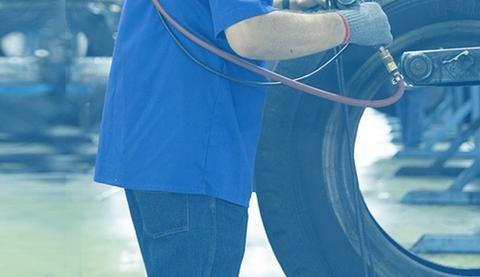
What is the significance of recycling old tires into rubber mulch, particularly from an environmental perspective?
Recycling old tires into rubber mulch is a vital process that has considerable environmental benefits. This process is endorsed by the Environmental Protection Agency (EPA) and the Canadian Standards Association (CSA), particularly for its application in children's playgrounds. Buyers of used cars frequently purchase new tires as a first step in ownership. What happens to those old tires just replaced? They might well be turned into rubber mulch.
Rubber mulch is made from old tires of various sizes and types, thus significantly reducing the waste burden on landfills. The shock-absorbent properties of rubber make it an ideal choice for playgrounds, contributing to both environmental sustainability and child safety. By repurposing these old tires, the process helps in conserving resources and mitigating the impact of waste on the environment.
How is the safety of rubber mulch ensured during the manufacturing process?
The safety of rubber mulch is a top priority during its manufacturing. A crucial step in ensuring this safety is the removal of steel bands from the recycled tire buffing. This is usually accomplished through a meticulous cleaning process, followed by the use of a state-of-the-art magnet system by reputable rubber mulch companies. This system effectively removes nearly all steel content, ensuring that the resulting rubber mulch is safe to handle and walk on. Furthermore, smaller rubber chips are preferred as they are less likely to contain traces of steel wire, which can pose a safety hazard.
What options are available in terms of color for rubber mulch, and how is the coloring process managed?
Rubber mulch is available in a variety of colors, catering to different aesthetic and functional needs. While black is the natural color of rubber mulch, manufacturers offer a wide range of custom colors to suit applications such as gardening, playground surfaces, and horse arenas. The coloring process involves a non-toxic and long-lasting treatment, ensuring that the mulch maintains its color for at least 12 years. This long-lasting coloration not only enhances the visual appeal but also ensures that the mulch remains vibrant and effective for extended periods.
How is rubber mulch packaged and delivered to meet client needs?
Rubber mulch packaging is tailored to meet the specific needs of clients. Common packaging options include bags of 40 pounds each, with standard shipments consisting of either half-pallets (1,000 pounds) or full pallets (2,000 pounds). This packaging flexibility allows for convenient shipping and handling, ensuring that clients receive the mulch in quantities that suit their specific requirements, whether for small home projects or larger commercial applications.
What are the recommended application thicknesses for rubber mulch in different settings?
The recommended application thickness of rubber mulch varies depending on its intended use. For landscaping purposes, a layer of 2 inches is generally sufficient. For residential playgrounds, a thicker layer of 3 inches is recommended to enhance safety. In commercial playground settings, where safety and shock absorption are paramount, a substantial layer of 6 inches is advised. These varying thicknesses ensure that the rubber mulch provides the necessary cushioning and aesthetic appeal for different applications, from beautifying gardens to protecting children on playgrounds.

Also in Rubber Mulch Blog


The Pros and Cons of Using Rubber Mulch in Your Garden
Rubber mulch looks great, lasts for years, and is made from recycled tires, but is it the right choice for your space? Like any product, it comes with genuine strengths and a few limitations worth understanding.


DIY Landscaping: Expert Tips for a Beautiful, Low-Maintenance Yard
Creating a landscape you love doesn't have to mean hiring a full crew or breaking the bank. With the right approach and advice from people who do this every day, a DIY landscaping project can transform your outdoor space into something you're genuinely proud of.
shop

Copyright © 2026 RubberMulch.com - All Rights Reserved.